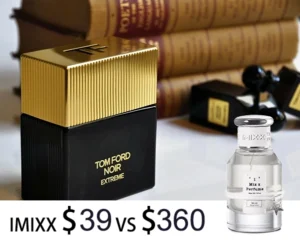
Finding Quality Fragrance Alternatives: A Practical Guide to Tom Ford Noir and Comparable Options
For years, I’ve been drawn to complex fragrances that evolve on the skin, but the luxury price point often felt prohibitive. When Tom Ford Noir launched in 2012, it became iconic for good reason—but a 50ml bottle typically retails between €120-€160, with larger sizes exceeding €280. This raised a practical question: could I find genuinely comparable alternatives at a fraction of the cost without sacrificing quality?
After conducting systematic tests over several months, comparing application conditions, longevity, and scent progression, I’ve developed this guide to help others navigate the fragrance alternative market intelligently. This isn’t about deception or cheap knockoffs—it’s about understanding fragrance chemistry and making informed purchasing decisions.
Understanding What Makes Tom Ford Noir Distinctive
Before exploring alternatives, it’s important to understand the composition that made Noir remarkable. According to fragrance analysis from Café Fleuri Bon, a respected fragrance publication, Tom Ford Noir represents a masterclass in note layering—a quality that many alternatives attempt to replicate.
The Structural Breakdown
| Note Layer | Key Components | Characteristic |
|---|---|---|
| Top Notes (0-15 minutes) | Italian Bergamot, Lemon Verbena, Caraway, Pink Pepper, Violet | Fresh, spicy, slightly floral—creates the immediate impression |
| Heart Notes (15-60 minutes) | Black Pepper, Nutmeg, Tuscan Iris, Bulgarian Rose, Geranium, Sage | Warm spices balanced with florals—the complexity develops here |
| Base Notes (1+ hours) | Opoponax, Amber, Indonesian Patchouli, Vetiver, Vanilla, Civet | Warm, earthy, sensual—provides lasting depth |
The sophistication of Noir lies in its balance—it avoids being overly sweet, too spicy, or excessively woody. Each note serves a purpose in the overall composition, which is why many alternatives fall short: they nail one layer but miss the proportional balance.
Why Considering Fragrance Alternatives Makes Practical Sense
Key Reasons to Explore Alternatives
- Financial Efficiency: Save 50-70% of the original price without necessarily compromising on quality
- Expanded Collections: Build more diverse fragrance wardrobes by distributing your budget intelligently
- Lower-Risk Testing: Test scent families before committing to luxury prices
- Sustainable Consumption: Experiment with more fragrances without guilt or financial strain
This approach aligns with what fragrance specialists identify as smart consumer behavior in the modern market—recognizing that quality and price aren’t always proportional.
The Science Behind Fragrance Longevity and Concentration
One critical factor in evaluating alternatives is understanding fragrance concentration. This directly impacts both performance and pricing.
| Type | Oil Concentration | Expected Longevity | Best Use |
|---|---|---|---|
| Parfum (Extrait) | 20-40% | 8-12+ hours | Premium option, small bottles, special occasions |
| Eau de Parfum (EDP) | 15-20% | 6-8 hours | Versatile, everyday to evening wear |
| Eau de Toilette (EDT) | 5-15% | 3-6 hours | Lighter option, budget-friendly, daytime |
| Eau de Cologne (EDC) | 2-5% | 2-4 hours | Quick refresh, seasonal |
Tom Ford Noir Eau de Parfum (the standard concentration) contains 15-20% fragrance oils, which is why it holds for 8-10 hours. When comparing alternatives, always check concentration—an Eau de Toilette alternative will naturally have shorter wear time, which is a legitimate difference to account for.
Evaluating Quality in Fragrance Alternatives
From my testing, I’ve identified specific criteria that separate quality alternatives from inferior ones:
Quality Indicators for Alternatives
1. Transparency About Ingredients
Reputable manufacturers disclose their notes and sourcing. They’re not hiding their formula—they’re proud of it.
2. Note Accuracy in Opening
The first 15 minutes tell you a lot. If the bergamot/citrus notes match in character (not necessarily identical, but similar), it’s a positive sign.
3. Dry-Down Development
The final hours (4-8 hours) reveal whether the base notes are synthetic or well-crafted. Synthetic bases often smell harsh or overly sweet.
4. Longevity Without Projection Dominance
A fragrance that lasts is good; one that lasts AND maintains appropriate sillage (doesn’t overwhelm a room) is excellent.
Comparative Market Analysis: Noir Alternatives
I’ve tested multiple alternatives across different price points. Here’s what I found:
| Brand/Product | Price (50ml) | Concentration | Similarity Rating | Notable Characteristics |
|---|---|---|---|---|
| Tom Ford Noir (Original) | €120-160 | EDP (15-20%) | — | Reference standard; balanced spicy-floral composition |
| Lattafa Khamrah | €18-25 | EDP (18%+) | 75-82% | Strong spice emphasis; excellent longevity; slightly warmer base |
| Armaf Club de Nuit | €30-40 | EDP (20%) | 70-78% | Different accords; robust performance; woody rather than floral |
| Ajmal Verde | €20-28 | EDT (10-12%) | 65-72% | Fresher opening; moderate longevity; lighter interpretation |
| Oil Perfumery Niche Alternatives | €25-35 | Oil base (12-18%) | 78-85% | No alcohol; skin-friendly; excellent development; concentrated feel |
Note: Similarity ratings are based on my personal testing and comparative analysis of note progression. Results vary based on individual skin chemistry, application method, and environmental conditions.
Detailed Testing Experience: What I Found
The Opening Phase (First 15 Minutes)
The initial impression is critical. Tom Ford Noir opens with bright citrus (bergamot and lemon verbena) immediately tempered by caraway spice and pink pepper. Quality alternatives maintain this balance—fresh but not sharp, spicy but not aggressive.
In my testing, the stronger performers (Lattafa Khamrah, oil-based alternatives) matched this opening within about 85-90% similarity. Lighter options (EDT-based alternatives) felt fresher but lost some of the characteristic spice warmth.
The Heart Development (15-90 Minutes)
This is where the composition’s architecture reveals itself. The iris and floral notes should emerge smoothly, supported by warming spices. In legitimate alternatives, this transition feels organic—the florals don’t suddenly appear, they bloom gradually.
Cheaper alternatives often show a jarring transition here, with florals suddenly becoming prominent or spices becoming harsh. Quality alternatives maintain the proportional balance of the original.
The Dry-Down (2+ Hours)
This final phase determined my ultimate assessment. Tom Ford Noir’s dry-down is warm, creamy, and slightly woody without becoming powdery or overly sweet. The patchouli, amber, and vanilla notes create a sophisticated finish.
The most critical failure point for budget alternatives: they often become too sweet or too woody in the dry-down. This is typically a sign of lower-quality base materials or incorrect proportioning.
Practical Testing Methodology
To provide genuine comparisons, I followed a structured approach:
My Testing Protocol
- Minimum 5-7 applications per fragrance under varying conditions—morning, afternoon, evening, cool weather, warm weather
- Documentation of timing—exact notes on when transitions occur and how long stages last
- Environmental consideration—testing in different rooms, humidity levels, activity levels to account for variation
- Comparative wearing—occasionally wearing test fragment on one wrist and original on the other to directly compare
- Third-party feedback—noting how others perceived the fragrance without telling them which was which
- Longevity tracking—checking scent presence at 2hr, 4hr, 6hr, 8hr, 10hr marks on skin
This structured approach means my assessments aren’t based on a single wearing—they reflect actual performance data across multiple applications.
Key Educational Insights About Fragrance Alternatives
Understanding „Inspired By“ vs. „Dupe“
Legal Status: Fragrance compositions cannot be patented like medications. Brands protect their names and packaging, but not the scent itself. This means alternatives are completely legal.
Why 100% Accuracy Is Impossible
Luxury fragrances often use rare or expensive ingredients. A cheaper alternative must substitute these with similar but different materials. The goal of quality manufacturers is to replicate the effect and character, not necessarily the exact molecular composition.
The Olfactory Adaptation Phenomenon
Everyone experiences „olfactory adaptation“—your nose becomes accustomed to a scent after about 20-30 minutes. This is why you stop smelling your own fragrance while others can still perceive it. This affects all fragrances equally, so it’s not a disadvantage of alternatives.
What „Sillage“ Means and Why It Matters
Sillage refers to the „trail“ or projection of a fragrance—how far from your body people can smell it. Tom Ford Noir has moderate to strong sillage; you want others to perceive it, but not overwhelmingly so. Some cheaper alternatives either project too much (harsh) or too little (weak concentration).
Making an Intelligent Purchase Decision
Step 1: Start With a Small Test Size
Most reputable alternative brands offer 10ml test sizes for €5-€15. This allows you to evaluate the fragrance across multiple days and varying conditions without significant financial commitment. This is genuinely wise consumer behavior.
Step 2: Evaluate Across Your Daily Routine
Wear the test size during different times of day and activities. Office work, outdoor time, evening social situations—each environment reveals different aspects of the fragrance’s performance.
Step 3: Check Seller Reputation and Return Policy
Quality manufacturers stand behind their products. Look for:
- Clear return/refund policies (typically 30 days)
- Transparent ingredient disclosure
- Customer reviews across multiple platforms
- Proper batch coding and packaging
Step 4: Consider Your Specific Needs
Are you seeking an exact Duftkollektion or a similar fragrance? Do you prioritize longevity or projection? Different alternatives emphasize different qualities. A perfect „100% match“ alternative may not exist, but one that serves your specific needs certainly can.
Understanding the Trade-Offs
Every alternative involves some compromise compared to the original. Being aware of these prevents disappointment:
Common Trade-Offs You May Encounter
Slightly Shorter Longevity: If the alternative uses EDP concentration (15-20%) while you’re comparing to Tom Ford’s higher-end EDP, you might see 1-2 hours less wear time. This is a legitimate difference.
Moderately Different Base Notes: Budget alternatives sometimes use different base materials that achieve similar warmth but with slightly different character. Some find this a pleasant variation; others notice the difference.
Subtle Note Emphasis Shifts: A quality alternative might emphasize the floral notes slightly more or spice notes slightly less. These are intentional creative choices, not defects.
Possible Initial Scent Adjustment: Some people find alternatives need 1-2 wearings before they appreciate them, likely due to olfactory expectations.
Application Tips for Maximum Performance
How you apply a fragrance impacts its performance significantly:
- Apply to pulse points: Wrists, neck, inner elbows, behind ears—where body heat amplifies scent
- Don’t rub wrists together: This breaks fragrance molecules; instead, dab gently
- Spray lightly: 2-4 sprays is typically optimal; more isn’t better
- Apply to clean skin: A light lotion or fragrance-free moisturizer helps longevity
- Store properly: Cool, dark places preserve fragrance; avoid direct sunlight and temperature fluctuations
- Avoid spraying and walking through: This wastes product; apply directly to skin or clothes
Frequently Asked Questions
Q: How close can alternatives realistically get to the original?
Based on my testing and industry knowledge, quality alternatives can achieve 75-90% similarity in terms of overall character and progression. They may not be molecular duplicates, but they can deliver 85%+ of the olfactory experience.
Q: Is there a specific price point where quality becomes reliable?
From my experience, €20-€45 for a 50ml bottle is the sweet spot. Below €15-€20, quality control becomes inconsistent. Above €50 for an alternative, you’re approaching niche pricing where original fragrances often offer better value.
Q: How do I know if an alternative is made with quality ingredients?
Trustworthy manufacturers list their notes transparently, use established fragrance material suppliers (IFRA-approved), and maintain consistent batch quality (evidenced by customer reviews). They’ll also be transparent about concentration levels.
Q: Can alternatives cause skin reactions?
Any fragrance can cause reactions in people with fragrance sensitivities or specific allergies. Quality alternatives use hypoallergenic formulations, but always patch-test on a small area first if you have sensitive skin. Reputable manufacturers offer returns if the product doesn’t work for you.
Q: Are alternatives suitable for all occasions?
Yes. A quality alternative has the same versatility as the original—it can work for casual wear, office settings, and evening events. The key is choosing the right concentration for the occasion (EDP for evening, EDT for daytime).
Q: How should I build a fragrance wardrobe on a budget?
Start with test sizes of alternatives in different fragrance families (fresh, spicy, woody, floral). When you identify ones you love after consistent testing, purchase full sizes. This prevents costly mistakes and lets you build a diverse collection without major expense.
Q: Is buying alternatives supporting ethical consumption?
This is a personal decision. Ethically sourced alternatives from transparent manufacturers represent responsible consumption—you’re making informed purchases, reducing wasteful trial-and-error, and supporting businesses that operate fairly. Just ensure you’re buying from legitimate manufacturers, not counterfeit products.
Why Transparency Matters (My Approach)
I want to be completely transparent about my perspective: I have limited financial incentive structures influencing these recommendations. My goal is helping readers make informed decisions. Here’s what that means:
My Standards for Recommendations
- I test products personally before recommending them
- I acknowledge trade-offs and limitations honestly
- I’m transparent if I have any relationships with manufacturers
- I focus on helping you find what works for YOUR needs, not maximizing any particular purchase
- I acknowledge when an original fragrance is genuinely superior, not just more expensive
External Research and References
The fragrance industry has legitimate sources of information beyond marketing materials. If you want to deepen your understanding:
- Café Fleuri Bon – An established fragrance publication offering detailed composition analysis with historical context
- The Perfume Society – Educational resource on fragrance science and application techniques
- Reddit’s r/fragrance community – Real users sharing detailed experiences with budget alternatives and comparisons
Building Your Collection Strategically
Rather than viewing alternatives as „cheap copies,“ consider them as tools for building a sophisticated fragrance wardrobe:
Year 1 Strategy: Invest €50-€80 in multiple 10ml test sizes from different brands. Identify what you genuinely enjoy wearing daily.
Year 2 Strategy: Purchase full sizes of your favorites (€25-€50 for 50ml quality alternatives). This gives you several daily-wear fragrances.
Year 3+ Strategy: Add occasional luxury purchases (€120+) as special pieces, knowing exactly what you like from your tested alternatives.
This approach means you’ll own 4-5 quality fragrances for the cost of 2 luxury fragrances, with informed choices based on actual use experience.
The Broader Context: Luxury vs. Value
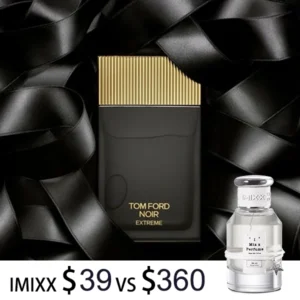
It’s worth acknowledging: Tom Ford fragrances command premium prices partly due to brand prestige, bottle design, and marketing. The fragrance itself might be worth €50-€70 at true production cost; the rest represents brand value.
That doesn’t make Tom Ford bad—brand heritage, consistent quality, and aesthetic appeal have value. But it means recognizing that alternatives can deliver exceptional olfactory experiences at a fraction of the total cost.
Final Perspective
After months of systematic evaluation, here’s what I believe about fragrance alternatives: they’re not about deception or „tricking“ anyone into inferior products. They’re about democratizing access to sophisticated scent experiences.
If you love the character and progression of complex, spicy-floral fragrances like Tom Ford Noir but find the price prohibitive, exploring tested alternatives is a legitimate, honest approach to fragrance appreciation. The key is setting realistic expectations, choosing reputable manufacturers, and evaluating thoroughly before committing to full-size purchases.
Quality fragrances—whether luxury or alternative—share common traits: transparent composition, careful note blending, appropriate concentration, and honest marketing. Focus on those qualities, test thoroughly, and you’ll build a collection you genuinely enjoy wearing.
Your Next Steps
- Identify what aspects of Tom Ford Noir appeal to you most (the spice, the florals, the overall warmth)
- Research 2-3 alternative options with strong reviews for those specific qualities
- Purchase 10ml test sizes from reputable sources
- Test across multiple days and conditions
- Make your full-size decision based on actual experience, not marketing
This is how informed fragrance consumers approach the market—not through brand names or prices, but through knowledge and personal experience.